The YCBT Services Blog
Last updated November 11, 2026
Shy Bladder (Paruresis): Why Going "Just in Case" Can Backfire
- "I'll go now, just to be safe."
- "Better skip the water before the flight."
- "Was that a twinge? Is it getting stronger?"
- "What if I can't go when it actually matters?"
If you live with shy bladder, also known as paruresis, these thoughts may sound familiar. Each one feels like common sense in the moment. Each one is also an attempt to protect yourself from the fear of being unable to urinate when others are nearby.
Here is the twist: the habits meant to protect you can quietly make the problem harder to solve.
The "Just in Case" Trap
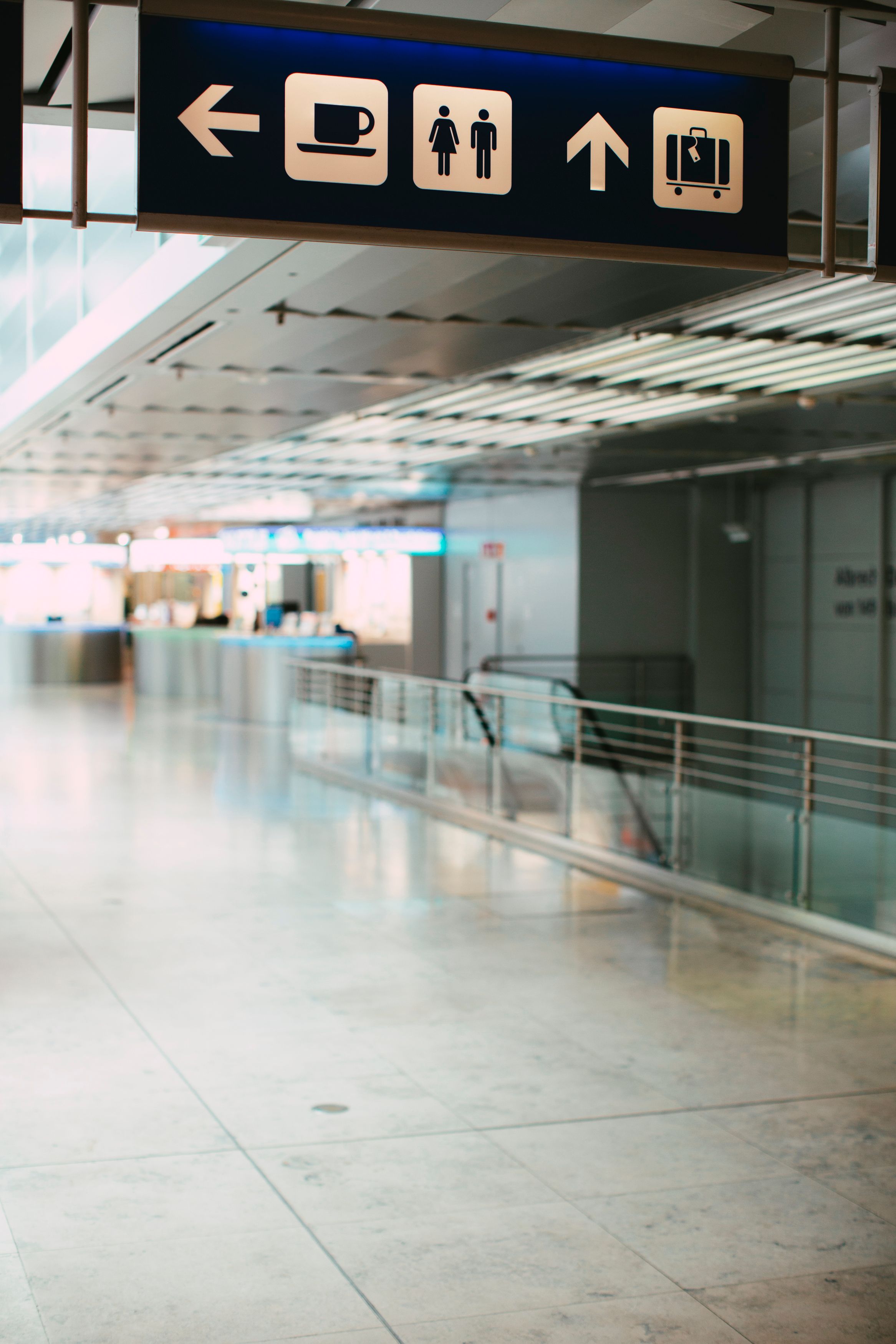
A recent Travel + Leisure write-up of new research reports that nearly three in four travelers, about 73 percent, use the restroom before boarding a flight even when they don't feel the need, and that experts say the habit may make bladder urgency worse over time. Urologists describe a similar pattern more broadly: going "just in case" again and again may teach the bladder to send its alarm at lower and lower volumes.
Think of it as training. A healthy bladder fills gradually and signals when it is meaningfully full. If you empty it at the first hint, your brain learns that the first hint is an emergency, and the hint arrives sooner next time. Emptying well also depends on the body being relaxed, and a bladder that rarely gets to fill, paired with a mind scanning for trouble, makes that relaxation harder.
With shy bladder, there is an added paradox. You empty beforehand so you won't be stuck, but an almost empty bladder sends only a faint signal when you finally stand in a public restroom, which often makes starting even harder.
Skipping Fluids Before Outings
Cutting back on water before a flight, a road trip, or dinner out is another popular strategy. Clinicians call behaviors like this "safety behaviors": things you do to feel safe that, over time, keep the fear going.
The trouble is that it seems to work. Nothing bad happens, so your brain credits the rule rather than you. The lesson becomes "I only got through that because I was careful," not "I can handle this." And arriving under-hydrated has costs of its own, especially on a long flight.
Shy Bladder and Watching Every Signal
Many people with shy bladder also keep one eye on their body at all times. Is that urge growing? Is it too strong, or not strong enough?
Attention works like a magnifying glass. Sensations that would normally fade into the background get louder, and the worry about them adds pressure, which is the opposite of the calm the body needs in order to void.
How CBT Retrains the Brain-Bladder Connection
The good news is that this loop can be unlearned. Cognitive behavioral therapy works on both ends of it. Cognitive skills help you test predictions like "everyone will notice" or "I'll never be able to go," and treat an urge as a sensation you can ride out rather than an emergency to act on.
Graduated exposure then gives your brain new evidence, one step at a time and at a pace you help set: letting an urge rise and fall without rushing to the bathroom, drinking normally before an outing, and eventually using restrooms with other people around. As you practice, urge sensations tend to feel less alarming, and the signals between brain and bladder can settle. You can learn more about how we treat paruresis here.
If urgency or frequency is new or sudden, it's worth checking with a medical provider first to rule out other causes. And if shy bladder is shaping your travel, work, or social life, you don't have to work through it alone. Reach out to us when you're ready!
Shy Bladder FAQs
What is shy bladder (paruresis)?
Paruresis, commonly called shy bladder, is a form of social anxiety involving significant distress and/or difficulty urinating when other people are nearby or could notice. Many people struggle with it privately for years, but it is treatable.
Is going to the bathroom "just in case" bad if I have shy bladder?
An occasional trip is usually fine. The concern is the pattern: urologists describe how going again and again before you feel a real urge may teach the bladder to signal at lower volumes, and an almost empty bladder can make it harder to start in a public restroom.
Should I avoid drinking before a flight or outing if I have shy bladder?
Cutting back on fluids is a common safety behavior. It feels protective but can keep the fear going, because your brain credits the rule instead of your own ability to cope. A therapist can help you change it gradually, and questions about how much to drink are worth raising with your medical provider.
How does CBT help with shy bladder?
CBT combines cognitive skills, which help you test feared predictions and treat urges as sensations rather than emergencies, with graduated exposure, in which you practice step by step at a pace you help set. Over time, urge sensations tend to feel less alarming.
When should I see a doctor about bladder symptoms?
If urgency or frequency is new or sudden, or you notice pain or other physical changes, check with a medical provider first to rule out other causes.
Shy bladder can feel isolating, but it is highly treatable, and you don’t have to work through it alone. If you’re ready to take a first step, book a free consultation and we’ll talk through what’s been getting in your way.
About the author
Dr. Robert Yeilding, PsyD
Dr. Yeilding earned his doctorate in Clinical Psychology from the California School of Professional Psychology. He is a Diplomate of the Academy of Cognitive Therapy, and he currently serves as a board member for the National Social Anxiety Center, which is dedicated to fostering evidence-based treatment for social anxiety. Dr. Yeilding specializes in helping adults and adolescents with depressive and anxiety disorders, specializing in treating social anxiety, insomnia, panic disorder, OCD, and managing and finding growth in life transitions. He uses Cognitive-Behavioral Therapy and mindfulness strategies, proven strategies that provide results.
YCBT Services is proud to be the San Clemente regional clinic for the National Social Anxiety Center, which was established to make quality psychotherapy services available to those in need.
Through research, collaboration and educating clinicians and the public, NSAC is committed to improving services and care for people seeking help for social anxiety. Visit NSAC here for more information about Social Anxiety.