The YCBT Services Blog
Last updated July 3, 2026
Beyond Blue Light: Why Your Phone Keeps You Awake (From a CBT for Insomnia Specialist)
We’ve all heard the advice a thousand times: Turn off your screens before bed because blue light disrupts your melatonin. So, what do many of us do? We buy blue-light blocking glasses, switch our phones to "Night Shift" mode, and keep right on scrolling.
But if you’ve tried these hacks and still find yourself tossing and turning, staring at the ceiling while your mind races, you aren't alone.
As a psychologist specializing in Cognitive Behavioral Therapy for Insomnia (CBT-I), I talk to clients every week at our Orange County, CA private practice who are incredibly frustrated that their "sleep hygiene" fixes aren't working. The truth is, while light spectrums do matter for our circadian rhythms, we’re missing the bigger culprit. The primary reason screens wreck our sleep isn't optical—it's emotional and cognitive.
It’s not the light keeping you awake; it’s the content.
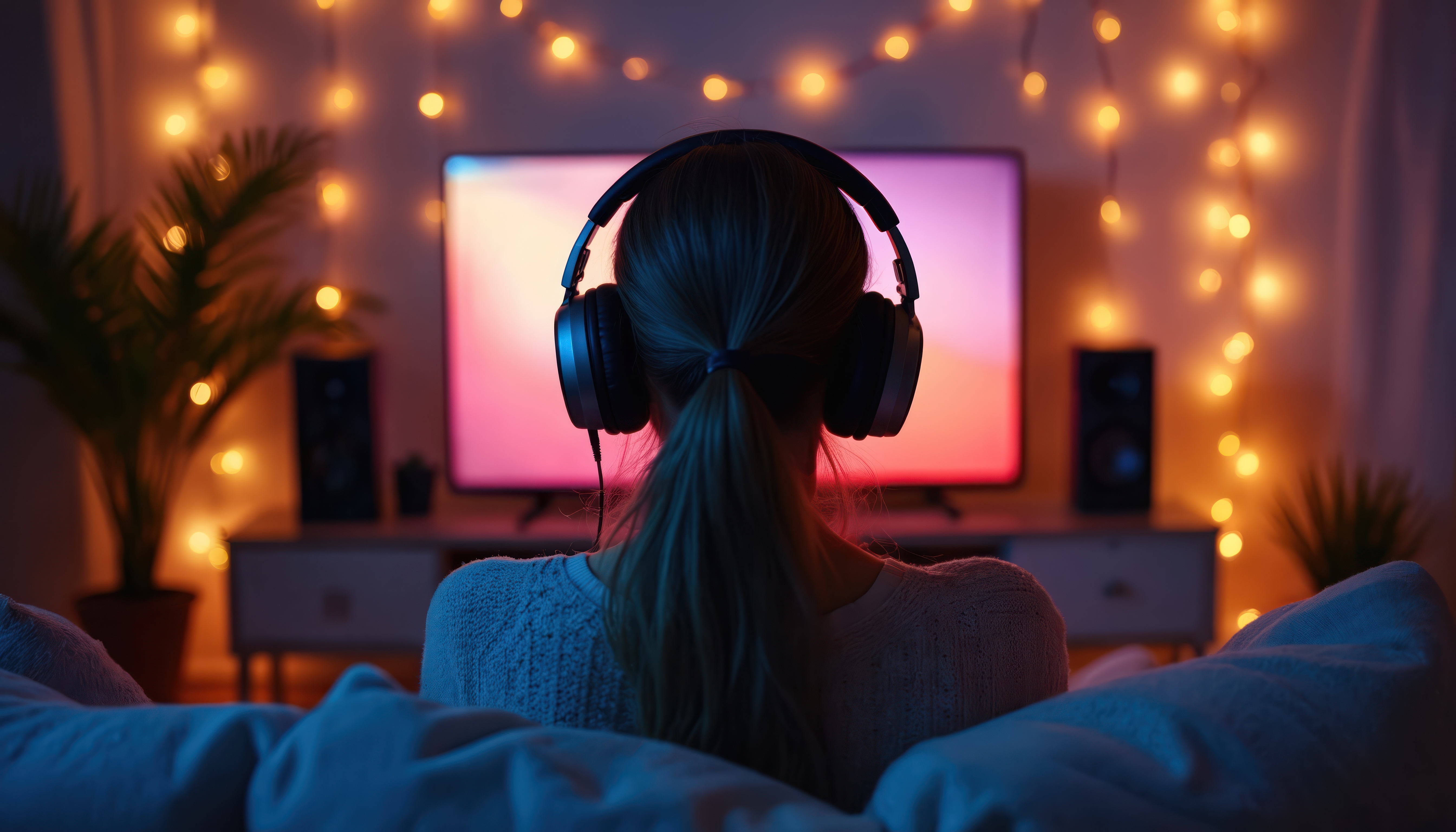
The Myth of the "Relaxing" Bedtime Scroll
When we crawl into bed after a long day, picking up the phone feels like a reward. We think we’re winding down. But our brains experience digital content very differently than our conscious minds do.
Whether you’re catching up on the news, watching a video, or scrolling through social media, you are feeding your brain highly stimulating information.
- The Dopamine Loop: Social media algorithms are designed to deliver micro-shocks of novelty. Every swipe provides a tiny hit of dopamine. Your brain doesn't see this as a cue to rest; it sees it as a sign to stay alert and look for the next reward.
- Cognitive Engagement: Reading an opinion piece, looking at work emails, or planning your calendar requires active mental processing. Your brain is working hard to digest information, solve problems, or form opinions.
- Emotional Activation: The internet is an inherently emotional place. You might see a stressful headline, an annoying comment, or a post that triggers a subtle sense of FOMO. This activates your central nervous system, triggering a mild fight-or-flight response.
To sleep, your body needs to feel safe, calm, and neutral. Flooding your brain with stimulating content does the exact opposite: it signals to your system that it is time to stay awake, alert, and engaged.
How Digital Stimulation Disrupts Behavioral Sleep Conditioning
In behavioral sleep medicine—and specifically within the framework of CBT for Insomnia—we look closely at how our environment conditions our behavior. Ideally, we want your brain to have a rock-solid, automatic association: Bed = Sleep.
When you lie in bed for an hour scrolling through your phone, your brain starts to learn a new, unhelpful association: Bed = Entertainment, Wakefulness, and Stimulation. Over time, just getting into bed can trigger a state of hyperarousal and alertness instead of drowsiness.
If we want to fix our sleep, we have to protect the sanctity of the bed as a place for rest.
How to Create a True "Buffer Zone" Before Bed
If you want to improve your sleep, you don't necessarily have to stare at a blank wall for an hour before bed. But you do need to replace stimulating activities with mind-neutral ones.
As a CBT-I specialist, I recommend setting up a transition routine that focuses on stimulus control:
- Establish a Tech-Free Buffer Zone: Aim for 30 to 60 minutes before your target sleep time to put the screens away. If you must use your phone for an alarm, plug it in across the room so it’s out of arm's reach.
- Choose "Mind-Neutral" Activities: Engage in activities that are relaxing but don't demand high emotional or cognitive energy. Read a physical book, listen to a calming podcast or audiobook, try light stretching, or practice a brief mindfulness exercise.
- The 20-Minute Rule for Stimulus Control: If you are in bed and realize your mind is racing—perhaps because you just consumed something stimulating—don't try to force it. "Sleep effort" only breeds frustration. If you aren't asleep after about 20 minutes, gently get out of bed, move to a dimly lit room, and engage in a quiet, non-stimulating activity until you feel true sleepiness return. Then, head back to bed.
Looking for an Insomnia Specialist in Orange County?
Breaking the bedtime scrolling habit isn't easy, especially when our phones are engineered to keep us hooked. Shifting your focus from blocking light to reducing mental stimulation can be a massive game-changer for your sleep health.
However, if you find that your bedtime routines are firmly in place but chronic sleep issues still feel out of reach, standard sleep hygiene might not be enough. Evidence-based frameworks like CBT-I go beyond basic tips to rewire deep-seated sleep anxiety and behavioral patterns.
If you are looking for evidence-based insomnia treatment and want to work with a CBT-I therapist in Orange County, feel free to reach out to our Southern California practice to learn more about how we can help you restore your natural sleep cycle.
Tonight, try giving your brain the gift of boredom before bed. You might be surprised at how quickly your body remembers exactly what to do.
About the author
Dr. Robert Yeilding, PsyD
Dr. Yeilding earned his doctorate in Clinical Psychology from the California School of Professional Psychology. He is a Diplomate of the Academy of Cognitive Therapy, and he currently serves as a board member for the National Social Anxiety Center, which is dedicated to fostering evidence-based treatment for social anxiety. Dr. Yeilding specializes in helping adults and adolescents with depressive and anxiety disorders, specializing in treating social anxiety, insomnia, panic disorder, OCD, and managing and finding growth in life transitions. He uses Cognitive-Behavioral Therapy and mindfulness strategies, proven strategies that provide results.
YCBT Services is proud to be the San Clemente regional clinic for the National Social Anxiety Center, which was established to make quality psychotherapy services available to those in need.
Through research, collaboration and educating clinicians and the public, NSAC is committed to improving services and care for people seeking help for social anxiety. Visit NSAC here for more information about Social Anxiety.